Question 01
Which exclusions are hiding in the offers received?
AnswerSpecifications, addenda and bids are compared with the project requirements; the gaps to clarify stand out.
I want to…
 ManufacturingYour plant produces.
 IndustrialYour facilities run.
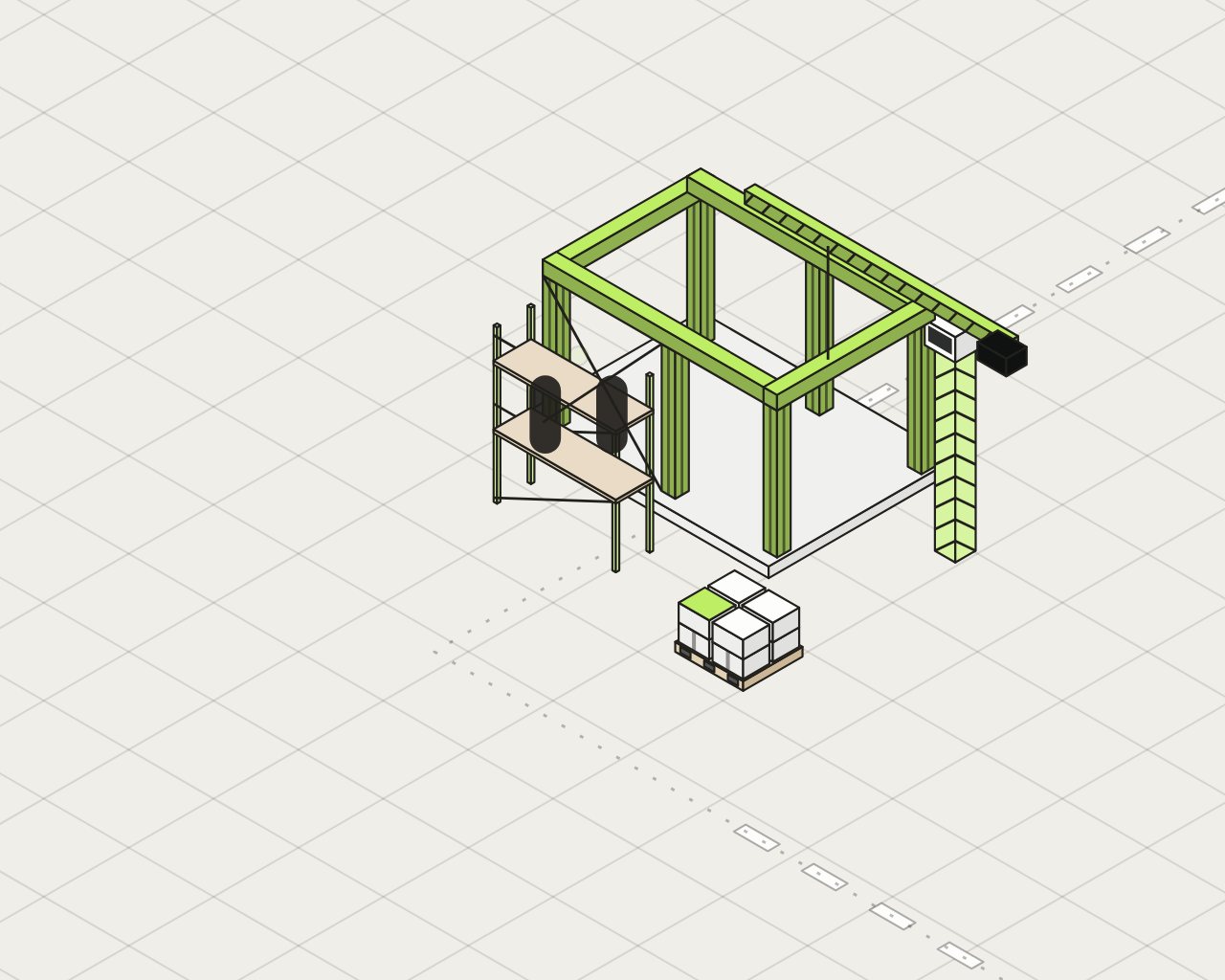 ConstructionYour job sites move forward.
 TransportYour trucks roll.
 AerospaceEvery part has a history.
 Professional servicesYour expertise is billable.
 FinanceYour advisors guide clients.
 LegalYour firm advises.
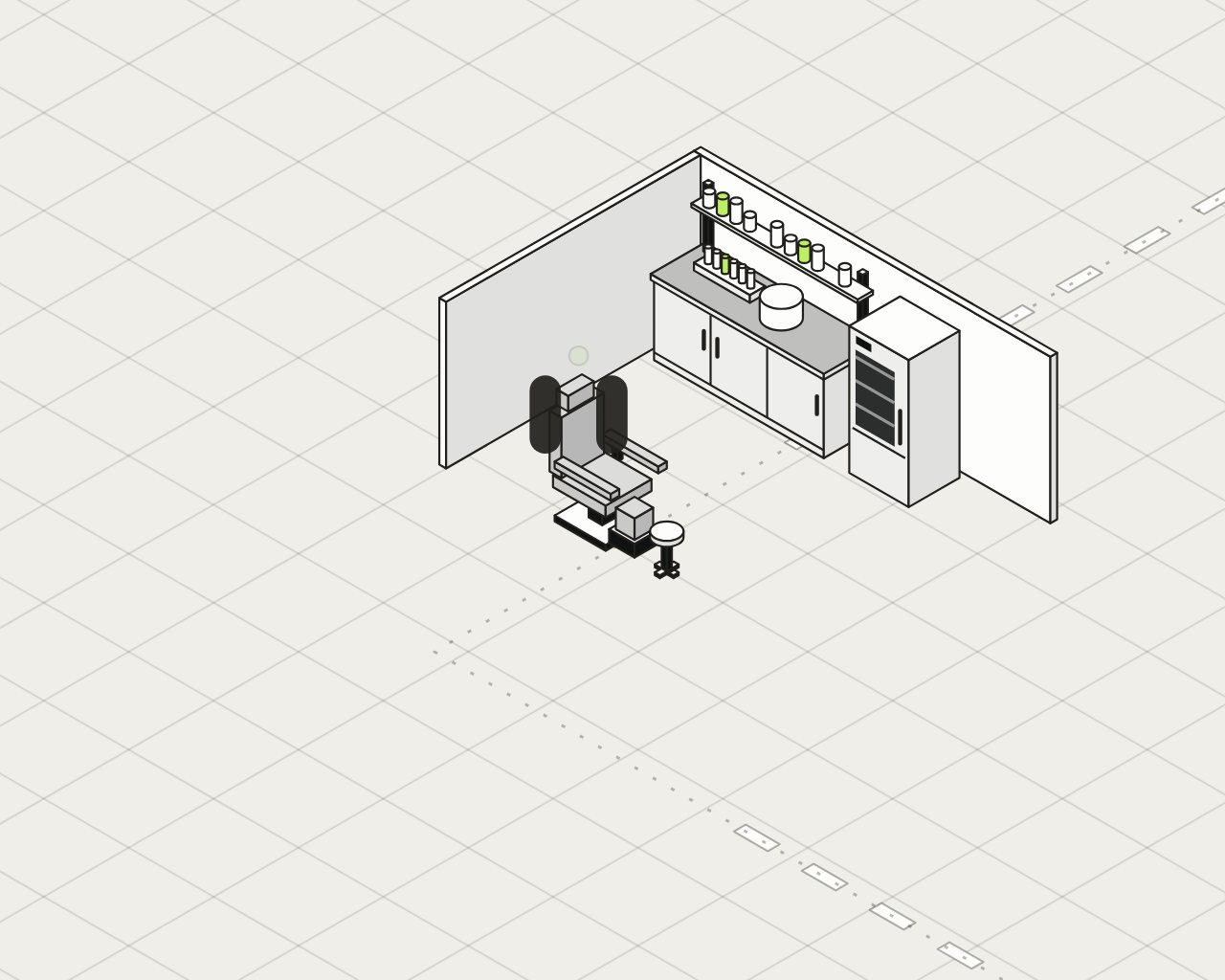 MedicalYour team provides care.
Industry: Construction
For companies of 15 to 500 employees.
Revised drawings, change orders, daily reports and safety observations: linked to the right project, with their sources.
The estimator, the project manager and the foreman decide. HUB AI prepares.
Three questions · Construction
Question 01
AnswerSpecifications, addenda and bids are compared with the project requirements; the gaps to clarify stand out.
Question 02
AnswerThe open questions and the affected documents are brought together, with the possible impacts on purchasing, costs and the schedule to be confirmed.
Question 03
AnswerThe tender’s plans, specifications and addenda are gathered; the points to clarify stand out. The estimating agent prepares the bid.
LimitContractual commitments and prevention remain with your teams.
Let’s choose a first process for your job sites.
Book my DiagnosticYour private foundation
The call for tenders, the plans and the prices do not go through a public AI. They are processed on supercomputers that serve only you, where a model can also learn the way you bid.
An environment dedicated to your company, hosted at Hub AI, in Quebec. It is not shared with other clients; your teams access it over the web.
Plans, bids, contracts and job site files stay in this environment.
Your processing runs on supercomputers reserved for your company. That same power is also used to train your model. HUB AI and its agents are available 24 hours a day, 365 days a year. This power is yours: you use it as you need it, with no bill for each job.
Plan reading, bid comparison and change tracking run on capacity reserved for your company.
HUB AI can train a model on your ways of working, from examples validated by your teams. It is trained and hosted on these same machines, in Quebec, then tested before it goes into service. Your examples train only your model, and stay walled off, in Canada.
The model can learn your estimating vocabulary and your reflexes for preparing a bid, from examples your estimators have validated.
The Diagnostic will tell whether a tailored model is the right lever, or whether memory and agents are enough.
Department shown: Estimating and bids
Specifications, addenda and bids are compared against the project requirements; the gaps to clarify stand out. The estimator prices and decides.
From the estimating office to the job site: one agent per team. It prepares, the person in charge approves.
“Which exclusions are hiding in the bids received?”
The gaps, flagged for the estimator. Specifications, addenda and bids are compared against the project requirements; the gaps to clarify stand out. The estimator prices and decides.
“A revised plan comes in: what does it change?”
The change, documented before the decision. Open questions and affected documents are gathered, with the possible impacts on purchasing, costs and schedule. The project manager confirms them.
“The daily report without starting from scratch?”
The daily report, in draft. A draft is prepared from the job site’s notes and documents. The superintendent checks the facts and confirms the follow-ups.
“Has this observation been corrected?”
Every observation has its follow-up. Tie an observation to an action, a person responsible, a deadline and proof of correction. OHS decisions belong to the qualified people.
“Which tasks does this delivery delay block?”
Known delays, linked to the job site. Link a delayed delivery to the job site tasks that depend on it and notify the people in charge who are affected.
The industry’s other functions, in addition to those shown in the scene. Each example is a proposed path: it depends on the connected sources, the access rights and the appropriate tools, and the person responsible reviews or decides.
Organization represented: General or specialty contractor. Variants to document: Integrated design, civil engineering, real estate developer or property manager, depending on the target clientele.
Group technical questions, revised plans, answers received and open items.
Prepare the list of missing documents and of deadlines to review before mobilization (licences, insurance, attestations).
Keep the deficiency list with photos, interventions and acceptance documents, separately from OHS inspections.
Flag missing timesheets and information before payroll and the applicable declarations are prepared (including the CCQ monthly report for activities subject to it).
Reconcile purchases, commitments, approved changes and the payment applications to prepare.
Retrieve the acceptance, installed equipment, warranty and past interventions when a client makes a request.
Indicators to measure: Unanswered technical questions; changes without a documented decision; deficiencies without proof of correction. No quantified gain has been established.
Responsibilities: Technical solutions and OHS decisions belong to the qualified people. Prevention mechanisms and CCQ obligations are determined by the job site and the activities subject to them.
Bring together the blocked files, their owner, the source documents and the decision expected, to prepare the management meeting.
Prepare the onboarding of a new employee with the tasks, requested access and documents that match their position.
Find an approved procedure, its version and the person to consult; prepare a training path by role.
Match order, receipt and invoice; present the discrepancies to the person responsible before payment.
Prepare a proposal from a request and authorized references; keep the commitments made to the client.
Group the requests tied to a file and prepare a reply with the real status of the work.
Compare offers against defined criteria and track the supplier’s missing documents.
Link an incident to the equipment, the symptoms already observed and an authorized procedure to help the technician.
Find documents by file and by access rights; track access requests and the applicable retention dates.
Flag contract deadlines and gather the documents for renewal or for review by the person responsible.
Link an event to a corrective action, an owner and evidence of completion.
Prepare maintenance work and track service contracts, equipment and scheduled inspections.
Private infrastructure
A contractor handles documents that are worth a lot: prices, plans, contracts and information about its employees. Here is why the place where they are processed matters, and what HUB AI’s private infrastructure changes.
These references describe general obligations; they are not legal advice. Private infrastructure does not guarantee compliance on its own: compliance depends on your practices, your contracts and the assessment made for your organization.
The Diagnostic tells you where HUB AI starts in your company.
Play with the sphere. Beat HUB AI in three points.
You 00 HUB AI
Three points to win. Mouse or arrow keys. Esc to stop.Three points to win. Slide your finger to move your paddle.
You won
Well done. Now let’s talk about your company.
Understand how work really gets done at your company, before building anything. The Diagnostic takes 3 to 4 weeks.
[Offer terms, to be specified by HUB AI.]
If your email program opened, reread the letter and send it. Otherwise, copy it and send it to sales@hubaifactory.com, or call 514 556-8916.