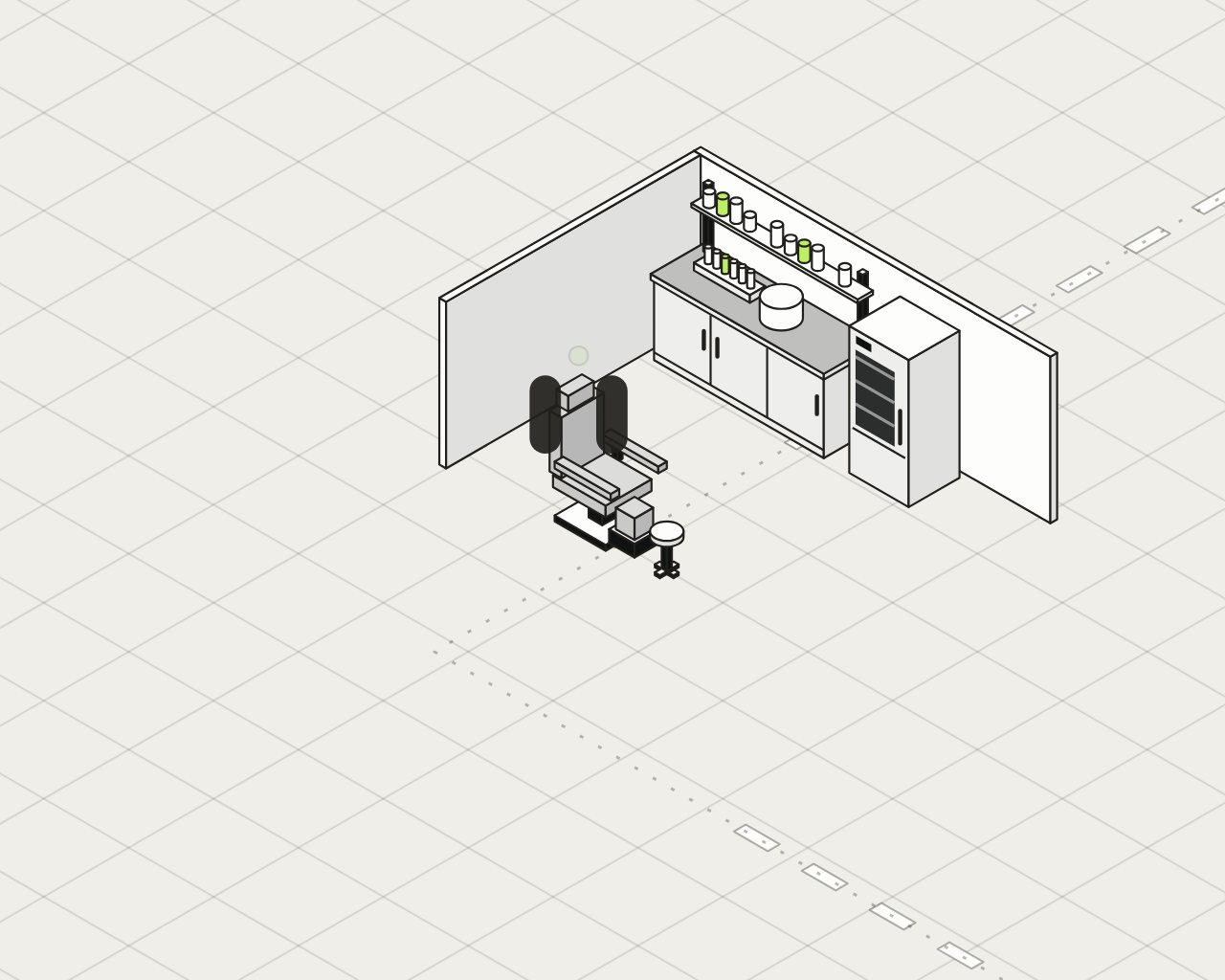
Capacity dedicated to your fleet, and a model trained on your trip files.
Proofs of delivery, rates and compliance files are processed on machines that serve only you, in Quebec. On that same capacity, a model can be trained on your business.
Private infrastructure
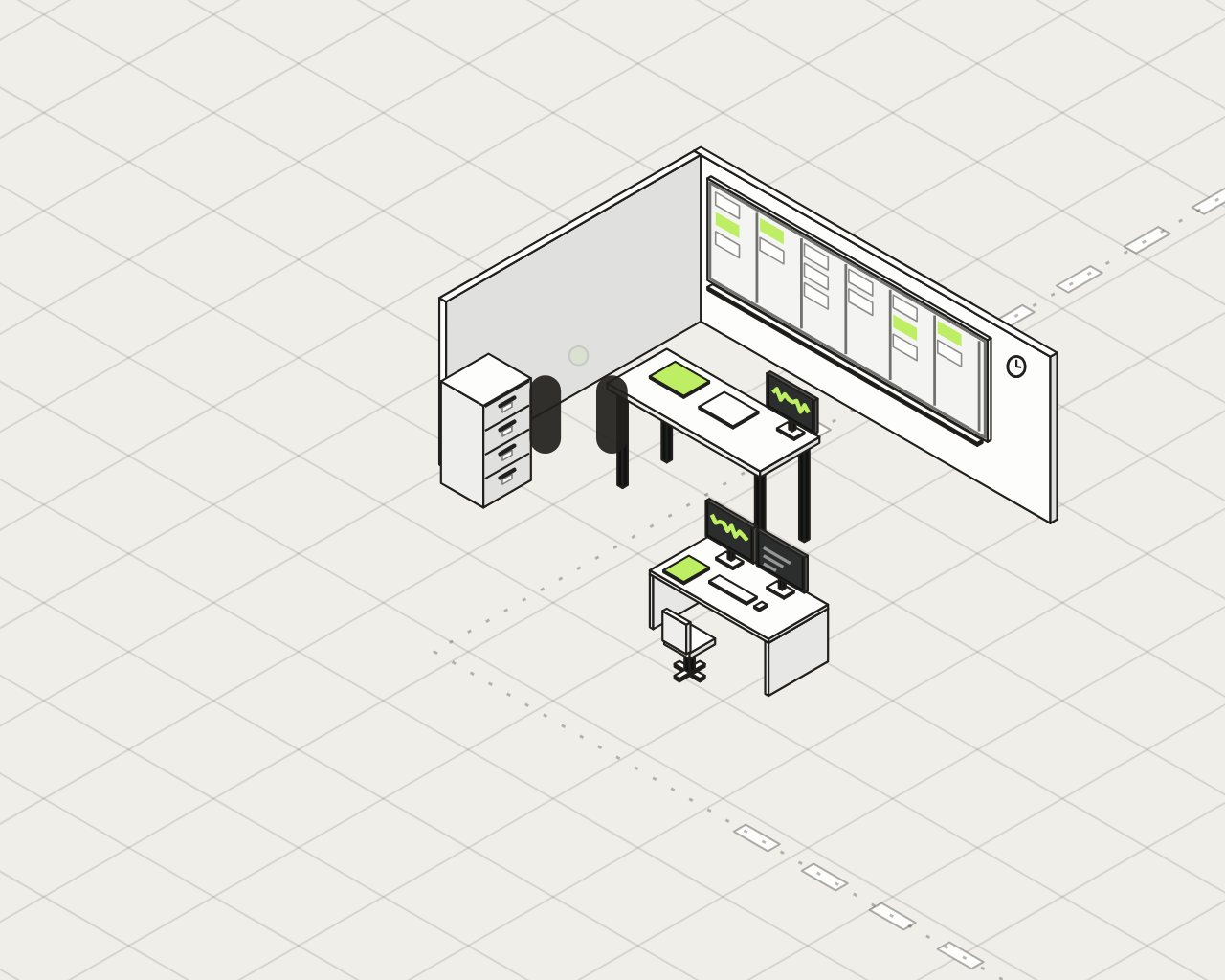
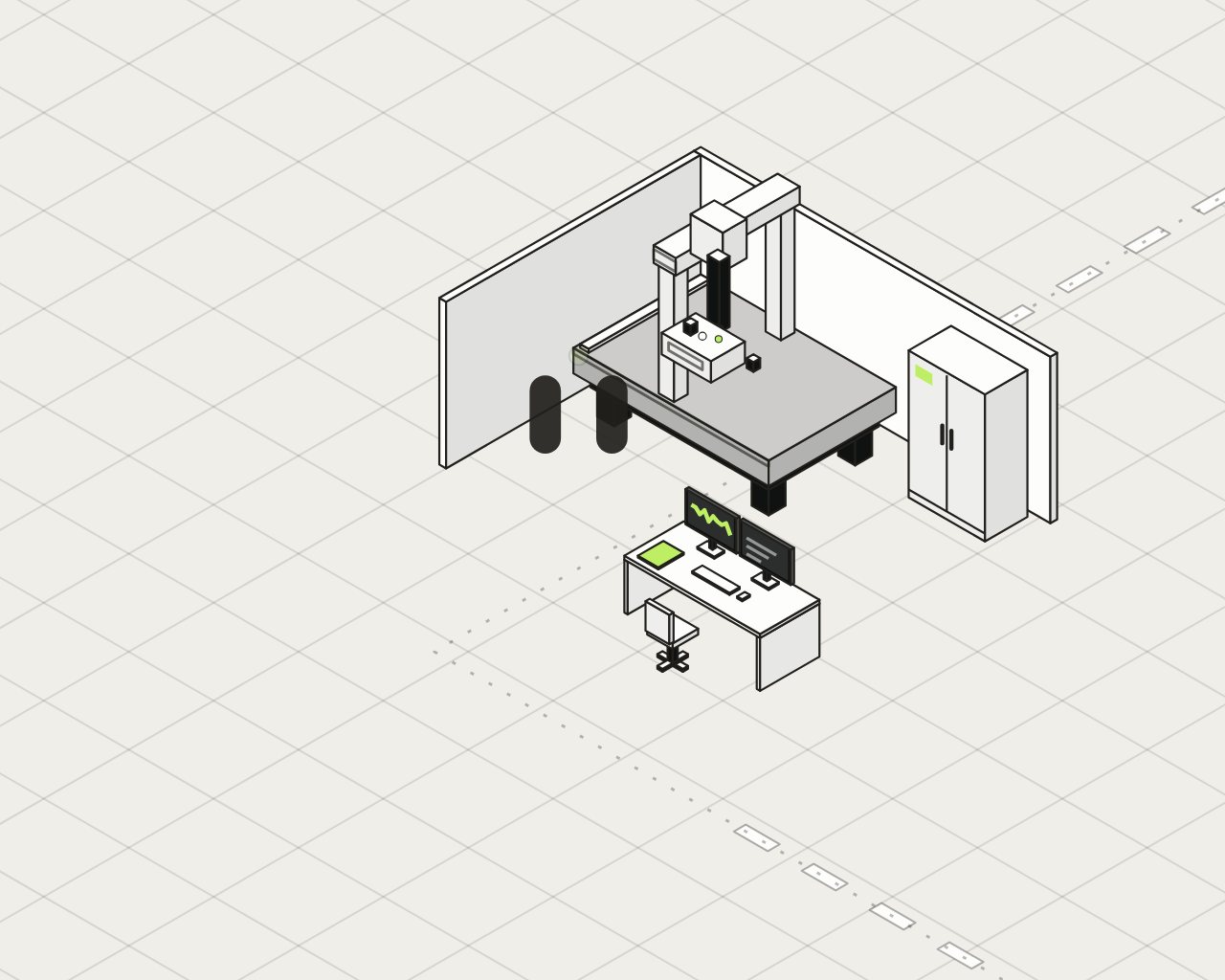
An environment dedicated to your company, hosted at Hub AI, in Quebec. It is not shared with other clients; your teams access it over the web.
Proofs of delivery, rates, compliance files and information about your drivers stay in this environment.
Computing power
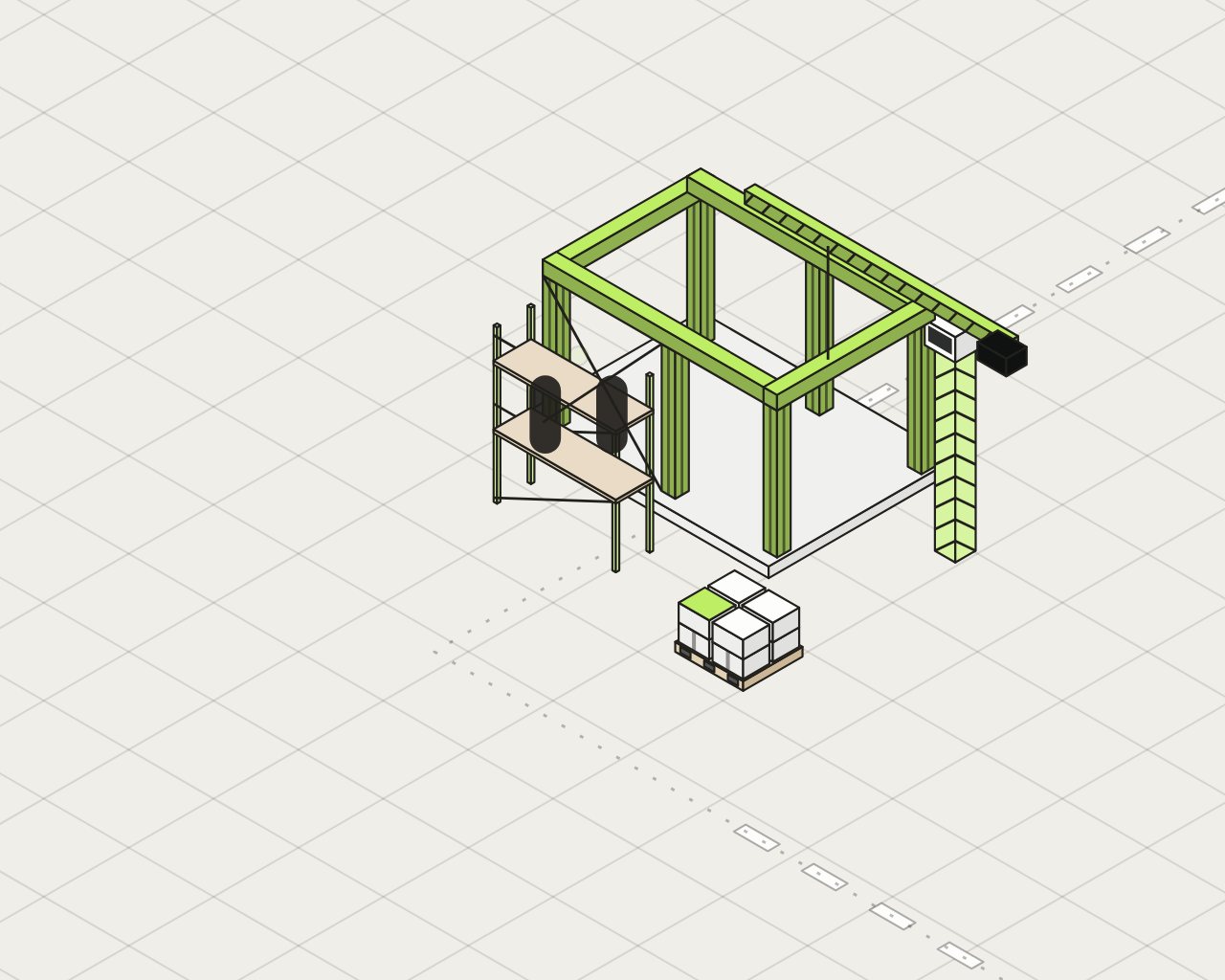
Your processing runs on supercomputers reserved for your company. That same power is also used to train your model. HUB AI and its agents are available 24 hours a day, 365 days a year. This power is yours: you use it as you need it, with no bill for each job.
Several trips and client requests are prepared on capacity reserved for your fleet.
Model training
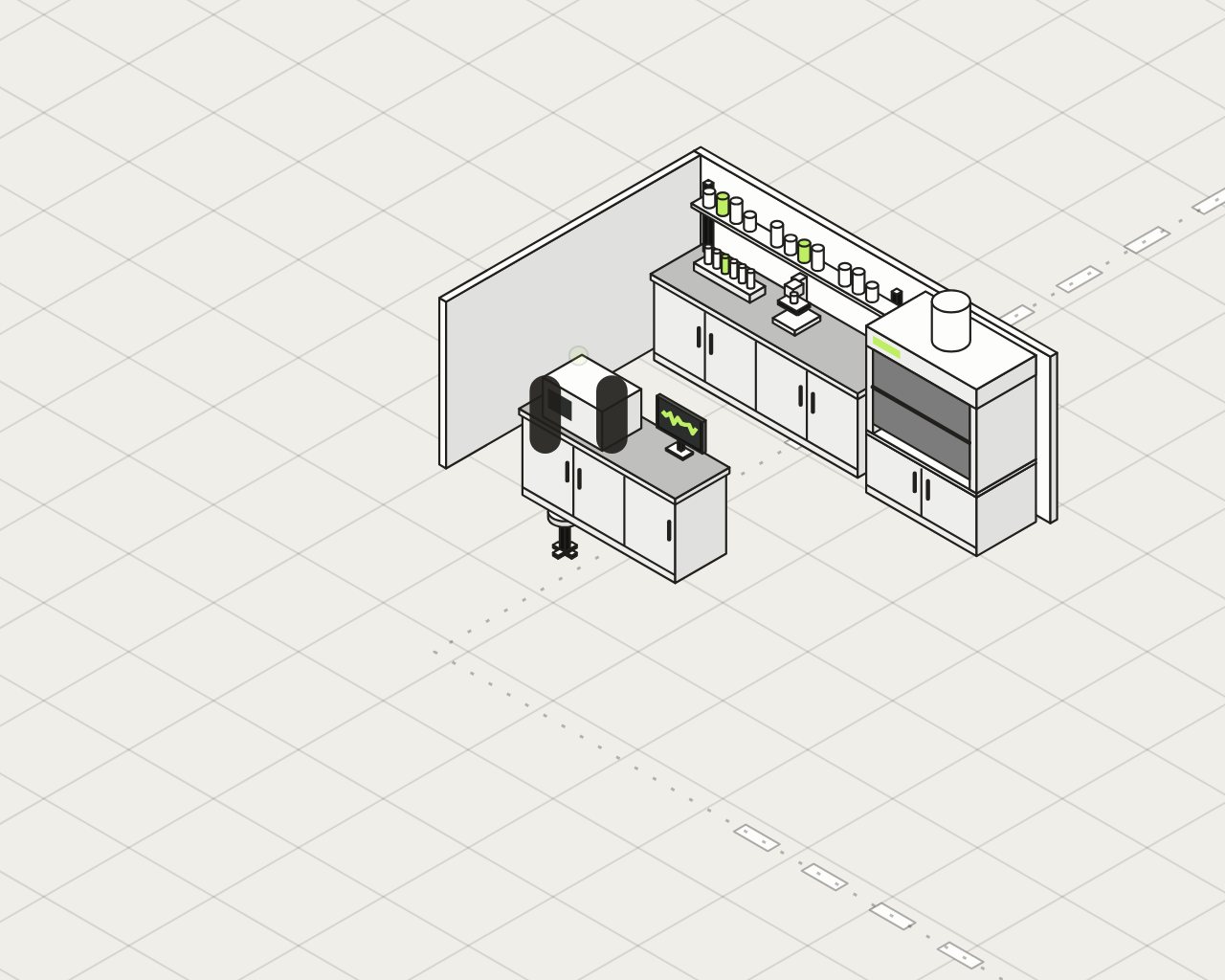
HUB AI can train a model on your ways of working, from examples validated by your teams. It is trained and hosted on these same machines, in Quebec, then tested before it goes into service. Your examples train only your model, and stay walled off, in Canada.
The model can learn your commitments, your exceptions and the way you track a trip, from examples validated by your teams.
The Diagnostic will tell whether a tailored model is the right lever, or whether memory and agents are enough.
Bring together confirmed availability, equipment status and trip constraints to prepare options. The dispatcher approves the assignment; the notice to the client follows. Driving hours are handled by deterministic checks on the trip data.
Dispatch, compliance, shop, yard and billing: one agent per team. It prepares, you approve.
Dispatch and planning
“Who can take the 2 p.m. trip?”
Options for the dispatcher. Bring together confirmed availability, equipment status and trip constraints to prepare options. The dispatcher approves the assignment; the notice to the client follows. Driving hours are handled by deterministic checks on the trip data.
Safety, compliance and training
“Which documents are about to expire?”
Expiry dates, in front of the manager. Flag missing or expiring documents for the manager’s review. Document tracking replaces neither the circle check nor the physical inspection.
Shop, maintenance and fleet
“Is the report on unit 412 in the file?”
The report linked to the unit. Link a report to the unit, the maintenance file and the repair order. Returning the unit to service remains the manager’s decision.
Yard, terminal and handling
“Where is the trailer, and since when?”
Location and next move. Bring together a trailer’s reported location, time of last update and next move.
Billing, accessorial charges and collections
“Can you invoice a trip without hunting for the proof of delivery?”
Missing documents, flagged before the invoice. Order, rate, proof of delivery and waiting-time records are brought together; missing documents are flagged before the invoice.
What HUB AI can prepare for transport
The industry’s other functions, in addition to those shown in the scene. Each example is a proposed path: it depends on the connected sources, the access rights and the appropriate tools, and the person responsible reviews or decides.
Organization represented: Road freight transport, with a fleet. Variants to document: Passengers: reservations, schedules and accessibility; brokerage: carrier selection and tracking; specialized operations: refrigerated, dangerous goods or oversize.
Sales, pricing and order intake
Prepare a structured request with goods, origin, destination, windows and constraints.
Illustrative example Proposed path across several teams
Trigger A client asks where their delivery is.
Documents gathered HUB AI brings together the commitments made and the last documented status of the trip.
Preparation A reply to the client is prepared.
Decision The dispatcher confirms the status before sending; the assignment stays with them.
Result The reply sent and the trip documents stay in the file, ready for the invoice.
Indicators to measure: Driver–shop–dispatch handoff time; trips without complete proof; invoices delayed by missing documents. No quantified gain has been established.
Responsibilities: Planning options certify neither a driver’s fitness, nor the right to operate, nor customs release.
Functions common to all industries (12)
Management and steering
Bring together the blocked files, their owner, the source documents and the decision expected, to prepare the management meeting.
Human resources and recruitment
Prepare the onboarding of a new employee with the tasks, requested access and documents that match their position.
Training and knowledge transfer
Find an approved procedure, its version and the person to consult; prepare a training path by role.
Finance, accounting and payroll
Match order, receipt and invoice; present the discrepancies to the person responsible before payment.
Business development and communications
Prepare a proposal from a request and authorized references; keep the commitments made to the client.
Client relations and handling of dissatisfaction
Group the requests tied to a file and prepare a reply with the real status of the work.
Purchasing and supplier management
Compare offers against defined criteria and track the supplier’s missing documents.
IT, cybersecurity and support
Link an incident to the equipment, the symptoms already observed and an authorized procedure to help the technician.
Document management and protection of information
Find documents by file and by access rights; track access requests and the applicable retention dates.
Legal, contracts and insurance
Flag contract deadlines and gather the documents for renewal or for review by the person responsible.
Quality, risk, health and safety
Link an event to a corrective action, an owner and evidence of completion.
Buildings, equipment and general services
Prepare maintenance work and track service contracts, equipment and scheduled inspections.
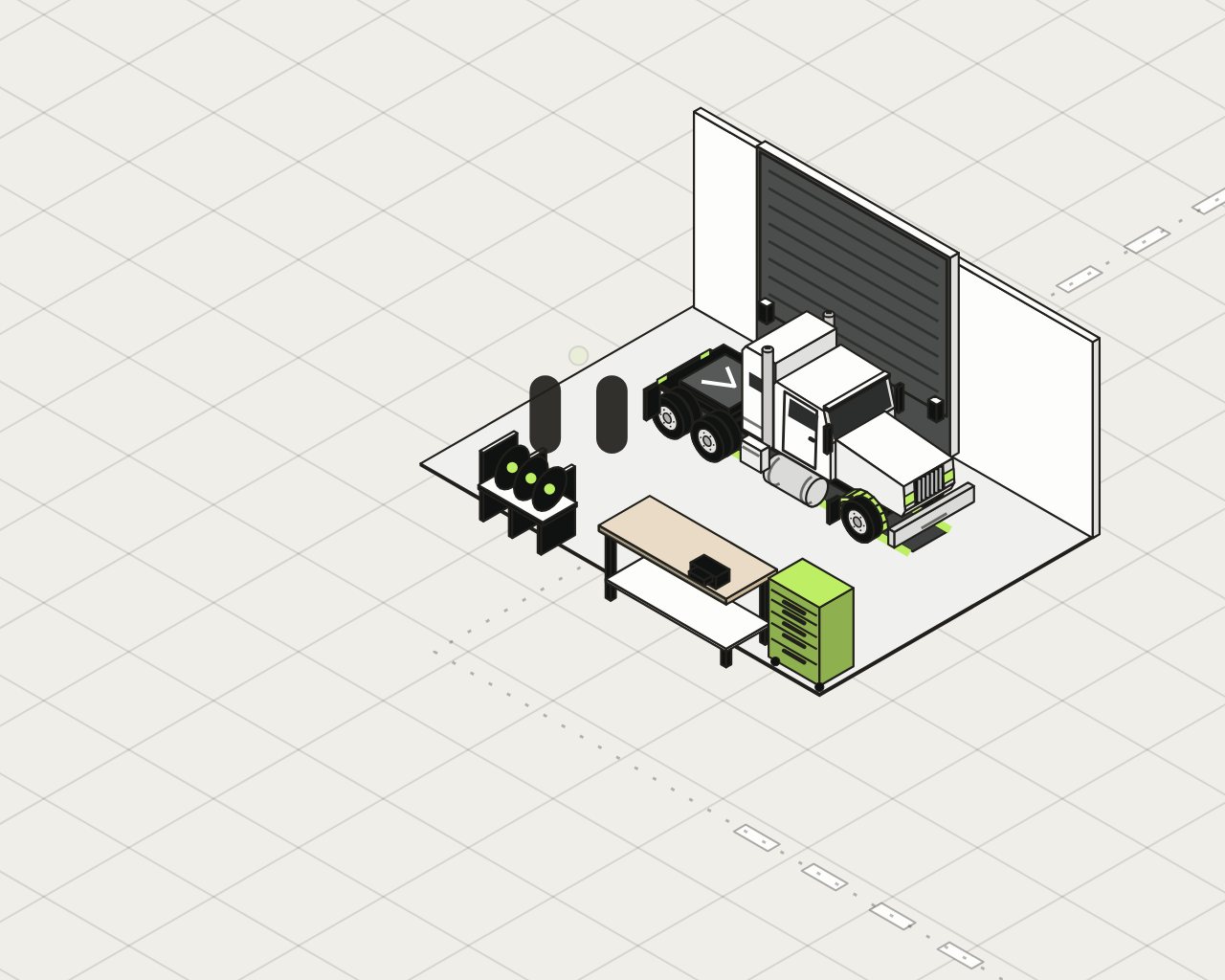
For companies on the move: from the office to the dock, from the dispatcher to the driver, from the order to the invoice.
Manufacturers
Professional services
Transport
Industrial companies
From 15 to 500 employees. Transport, warehousing and logistics are HUB AI’s first field: it is the one described here. In your setting, the Diagnostic adapts the questions to the industry and to each person’s role.
Transport, in detail
A space for each person
Sixteen profiles
Management
Operations
Dispatch
Driver
Warehousing
Order preparation
Inventory
Customer service
Sales and pricing
Billing
Accounts receivable
Fleet and maintenance
HR and safety
IT and data
External client
Partner carrier
From end to end
Each step hands off to the next
Order, delivery, billing
Receiving, put-away, order preparation
Delay, decision, client update
Partial delivery or damage
Storage and services, billing
Handover, pickup
Even offline
On the dock, on the road
On the dock or on the road, you scan, take photos and collect signatures, even without a network. Entries are sent as soon as the connection returns. Each one shows its status, one of four.
Captured
Pending
Received by HUB AI
Confirmed
Private infrastructure
Shipments, clients and drivers: processed in an infrastructure that serves only you
A transport company handles information about its clients, its goods and its drivers every day. Here is why where that information is processed matters, and what HUB AI’s private infrastructure changes.
Which data
Rates, contracts and client lists
Shipping and customs documents
Driver and compliance files
Claims, losses and proofs of delivery
Why it’s sensitive
This information is often covered by confidentiality agreements with your clients and your partners.
Law 25 (Quebec’s privacy law) governs the collection, communication and retention of personal information, including its communication outside Quebec.
A public cloud AI tool may process data outside the country, reuse it under its own terms or make it accessible to third parties; these risks vary by provider and contract.
How HUB AI keeps them in your hands
Hosting in QuebecYour processing runs on infrastructure hosted at Hub AI, in Quebec, in Canada.
Machines that serve only youAn environment dedicated to your company, hosted at Hub AI: it is not shared with other clients.
Your teams access it over the webNo hardware to install on your premises: your teams work in HUB AI from their browser.
Controls to define with youAccess rights per person, access logging, encryption and retention periods: capabilities to confirm for your deployment.
These references describe general obligations; they are not legal advice. Private infrastructure does not guarantee compliance on its own: compliance depends on your practices, your contracts and the assessment made for your organization.